Category: Training

  • Meet Natasha: from retail to qualified massage therapist

    Thinking about a massage course in Plymouth, but worried about the theory and exams? Meet Natasha.

    Natasha came to Plymouth Holistic Training a year or so after finishing university. She was working part time in retail, and something was missing.

    Finding her passion again

    A few years earlier, Natasha had completed her Level 2 in Beauty Therapy. Looking back, she realised she hadn’t felt the same passion about anything she’d done since. So she decided to train again, this time in massage.

    Training in massage

    Natasha studied the VTCT Level 3 Diploma in Massage with us, and she has just qualified. Congratulations, Natasha! 馃帀

    Natasha travelled all the way up from Falmouth in Cornwall for her practical days, and they were her favourite part: getting hands-on and meeting her lovely fellow students.

    Like lots of our students, Natasha found the theory and exams the hardest bit. In her own words: “I can get easily overwhelmed and find theory and exams super stressful. Karen made it not just stress-free but enjoyable.”

    That’s exactly what we’re here for. Small groups and support that fits the way you learn, so the scary bits feel doable.

    What’s next for Natasha

    Natasha is now looking for work in a spa, saving up to go travelling and do some more training in Indonesia. Her dream is to work as a massage therapist on a cruise ship one day. 馃殺

    Outside work, Natasha lives with her parents and two sisters. She loves the gym, reading and playing video games, and travelling whenever she can.

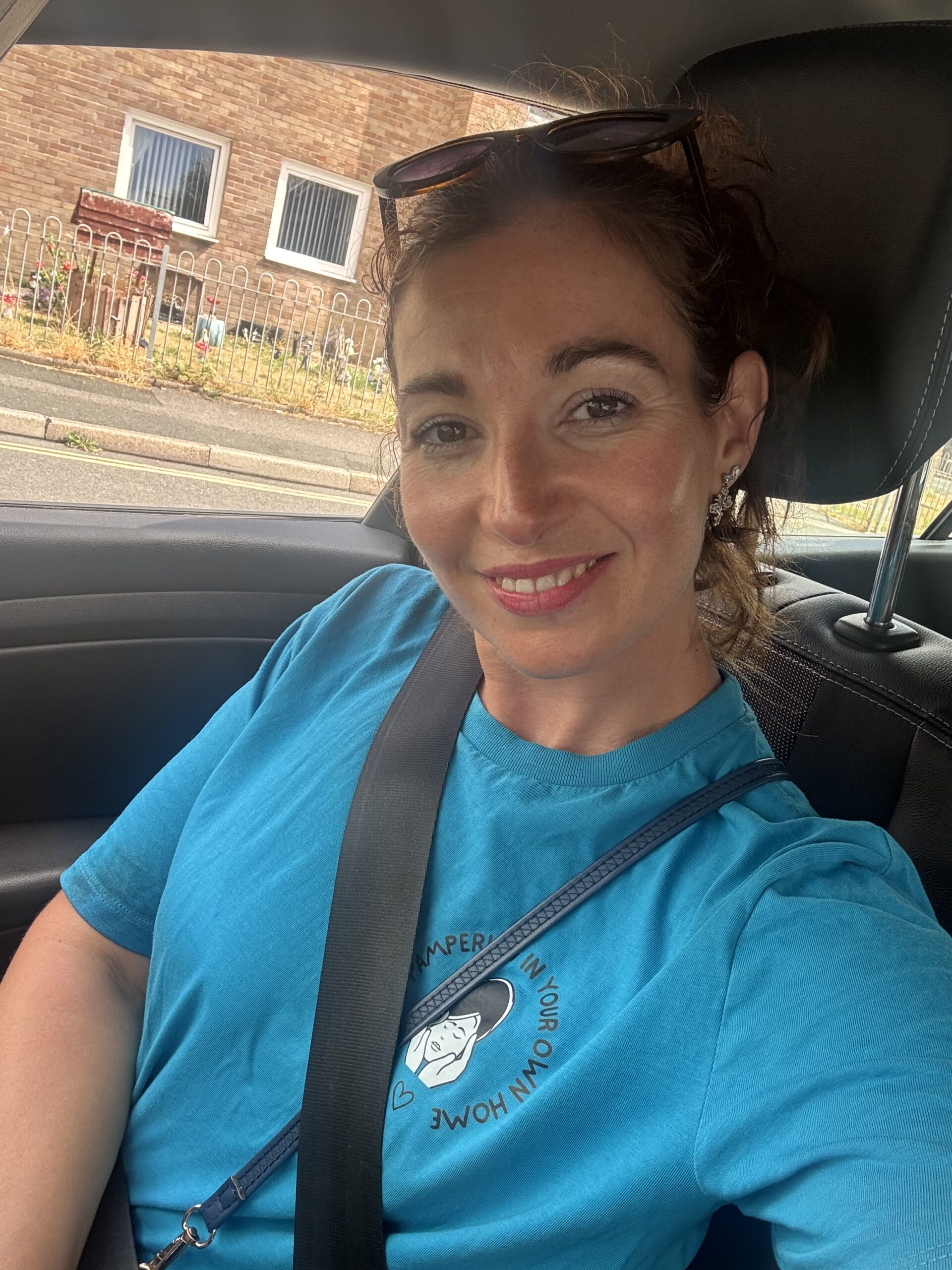
    She has just set up her Instagram, so go and give her a follow: @rejoovfal

    Natasha’s advice

    If you’re thinking about training, Natasha says: “It is super worth it and you will not just leave with a qualification but will leave feeling confident and ready for whatever route you decide to go down.”

    Thinking about a massage course in Plymouth?

    At Plymouth Holistic Training you can choose the route that suits you:

    All practical training takes place in small groups at Plymouth Wellbeing Centre in Estover, and interest-free payment plans are available on VTCT qualifications. See all our massage courses.

    Frequently asked questions

    I find exams stressful. Can I still do a massage qualification?

    Yes. Lots of our students feel nervous about theory and exams, just like Natasha did. We keep groups small and support you in a way that works for you, so you’re never left to struggle on your own.

    What can I do after the VTCT Level 3 Diploma in Massage?

    You can work as a massage therapist, for example in a spa, a salon or your own business. You can also add more skills one course at a time, such as pregnancy, hot stone or lymphatic drainage massage, or move on to the VTCT Level 4 Diploma in Complementary Therapies.

    Where are the courses held?

    Practical training takes place at Plymouth Wellbeing Centre, Lynher House, Bush Park, Estover, Plymouth PL6 7RG, near Derriford.

    Can I pay for my training in instalments?

    Yes. Interest-free payment plans are available on our VTCT qualifications.


    Fancy training in massage? Email training@wellbeingplymouth.co.uk or WhatsApp us (a message or voice note is perfect).

  • Meet Hayley: 20 years a therapist and still learning

    Meet Hayley: 20 years a therapist and still learning

    Hayley Gilbert has been a therapist for nearly 20 years. She runs her own mobile business, Hayley’s Pampering in Your Own Home, bringing the spa to people’s homes, and she specialises in massage and facials. So why would someone with that much experience come back to train with us?

    I think it’s really important to refresh on your current skills and learn new techniques.

    Already a therapist, raising a family

    When Hayley came to Plymouth Holistic Training, she was already a working therapist, juggling her business with raising her family. She came to us to add to her skills.

    What she trained in

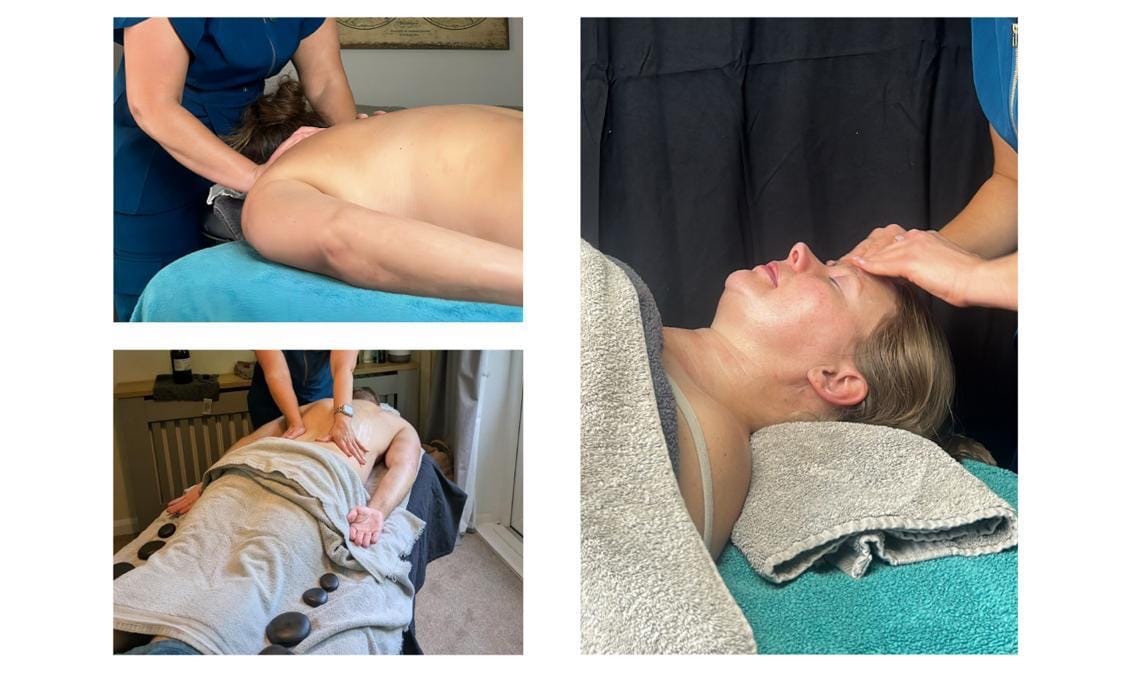
    Collage of Hayley's massage treatments in clients' homes, including a hot stone massage and a facial

    The best bits, and the hardest

    Like many experienced therapists who come back to train, the trickiest part for Hayley was finding time to fit in her case studies around her regular clients. And the best bit?

    There is always lovely people on the courses to share ideas and thoughts with.

    Where is she now?

    Hayley has been mobile for 6 years and loves the little business she’s created, helping people relax and unwind in their own homes.

    If it brings you joy keep doing it.

    Her advice if you’re thinking about training

    Do it, there is definitely more to learn.

    Coffee, the sea and lifting weights

    Away from work, Hayley has two children and a husband who keep her busy (“they have a better social life than me!”) and an 11-year-old rescue dog. She lifts weights three times a week and loves going for coffee and being by the sea.

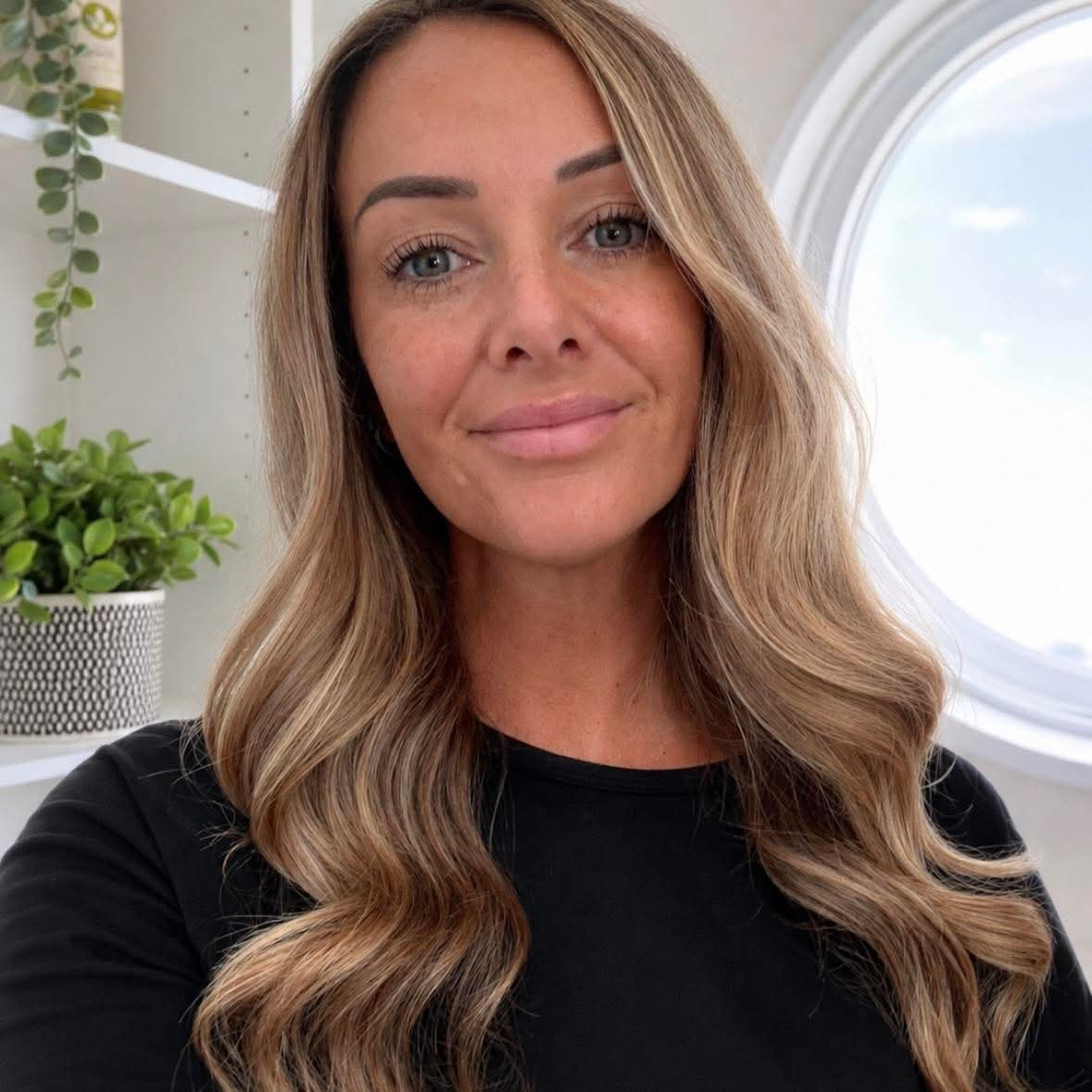
    Find Hayley


    Thinking about CPD? Have a look at our lymphatic drainage and hot stone massage courses. Email training@wellbeingplymouth.co.uk or WhatsApp us (a message or voice note is perfect).

  • Meet Lianne: adding dermaplaning to a busy beauty business

    Meet Lianne: adding dermaplaning to a busy beauty business

    Already a beauty therapist and thinking about a dermaplaning course in Plymouth? Meet Lianne.

    Lianne runs Brows and Beauty by Lianne from Plymouth Wellbeing Centre in Estover. Her treatment menu was already packed, from brows and lashes to microblading, lip blush and piercing. So when she wanted to add something new, she needed a course that fitted around a busy diary.

    Why dermaplaning?

    Dermaplaning gently removes dead skin cells and fine facial hair, leaving skin smoother and brighter. For a therapist who already offers facials, it’s a natural next step: the same clients, a new treatment to offer them, and a great add-on to an existing facial.

    One day, then case studies

    Our accredited dermaplaning course is a single practical day in Plymouth, with a demonstration and plenty of hands-on practice. You then complete online learning and 3 case study treatments in your own time, and receive your accredited certificate once they’re done.

    For an experienced therapist like Lianne, that means one day away from clients rather than weeks.

    What you learn

    • Skin analysis and consultation
    • Contraindications and client safety
    • How dermaplaning works, and hands-on technique
    • Products and aftercare
    • How to price and promote the treatment

    Thinking about a dermaplaning course in Plymouth?

    Dermaplaning is for therapists who already hold a facial qualification. If you don’t have one yet, you can choose the route that suits you first:

    • Accredited facials course, in a single day
    • VTCT Level 2 Award in Facial Massage and Skincare

    See all our facial and skincare courses.

    Frequently asked questions

    Do I need to be qualified to do a dermaplaning course?

    Yes. You need a facial qualification first, such as our accredited facials course or VTCT Level 2 Beauty Therapy.

    How long is the dermaplaning course?

    One practical day in Plymouth, plus online learning and 3 case study treatments that you complete afterwards.

    Do I need my own dermaplaning kit?

    Yes. You’ll need your own dermaplaning kit and facial skincare kit for the course and your case studies.

    Where is the course held?

    At Plymouth Wellbeing Centre, Lynher House, Bush Park, Estover, Plymouth PL6 7RG, near Derriford, with free parking.


    Fancy adding dermaplaning to your menu? Email training@wellbeingplymouth.co.uk or WhatsApp us (a message or voice note is perfect).

    Want to book a treatment with Lianne? Find Brows and Beauty by Lianne on our practitioner page.

  • Meet Rachel: the aromatherapy course that changed her life

    Meet Rachel: the aromatherapy course that changed her life

    Thinking about an aromatherapy course in Plymouth, but wondering if it’s worth it when you’re already qualified in something else? Meet Rachel.

    Rachel came to Plymouth Holistic Training as an experienced therapist, with over 20 years of reiki and around 16 years of massage behind her. She didn’t need to start from scratch. She just loves learning new things, and as she says herself, she doesn’t give up easily.

    The course that changed her life

    Rachel qualified in the VTCT Level 3 Diploma in Aromatherapy last year, and in her own words, her life has changed since she started aromatherapy.

    Level 3 aromatherapy is designed for massage therapists, so it built on skills she already had. Now essential oils run through everything she does, and she blends them into treatments tailored to each client.

    Adding skills one course at a time

    Rachel hasn’t done it all in one go. She has added new skills a course at a time, each one making the next feel natural.

    • Indian head massage: Rachel says it gave her more confidence in her full body massages, and showed her just how important the shoulders, neck, face and head are in any massage.
    • Lymphatic drainage massage: Rachel says this one has changed the treatments she offers her clients.
    • Pregnancy massage: before becoming a therapist, Rachel spent over 20 years working with babies, children and families, so helping mums-to-be brings her real joy 馃ぐ

    Now on Level 4

    Rachel is now working towards the VTCT Level 4 Diploma in Complementary Therapies, which for her includes fertility, maternity and palliative care reflexology. It ties in beautifully with her pregnancy massage work.

    She’s on the home straight, and like plenty of our students, the coursework is the bit that needs a nudge. Her plan is to give herself a kick up the bum and get it finished. We’re cheering you on, Rachel! 馃摎馃槃

    Thinking about an aromatherapy course in Plymouth?

    If you’re already a massage therapist, aromatherapy is a lovely way to deepen what you offer. At Plymouth Holistic Training you can choose the route that suits you:

    • VTCT Level 3 Diploma in Aromatherapy, with rolling start dates
    • Accredited aromatherapy courses, such as aromatherapy blending in a single day

    All practical training takes place in small groups at Plymouth Wellbeing Centre in Estover, and interest-free payment plans are available on VTCT qualifications. See all our aromatherapy courses.

    Frequently asked questions

    Do I need to be qualified to do Level 3 aromatherapy?

    Yes. The VTCT Level 3 Diploma in Aromatherapy needs a massage qualification first. If you’re new to massage, you can start with one of our massage courses.

    Can I build up my skills one course at a time?

    Yes. Like Rachel, many of our students add one course at a time, for example Indian head massage, then lymphatic drainage or pregnancy massage, then aromatherapy.

    Where are the courses held?

    Practical training takes place at Plymouth Wellbeing Centre, Lynher House, Bush Park, Estover, Plymouth PL6 7RG, near Derriford.

    Can I pay for my training in instalments?

    Yes. Interest-free payment plans are available on our VTCT qualifications.


    Fancy adding a new skill? Email training@wellbeingplymouth.co.uk or WhatsApp us (a message or voice note is perfect).

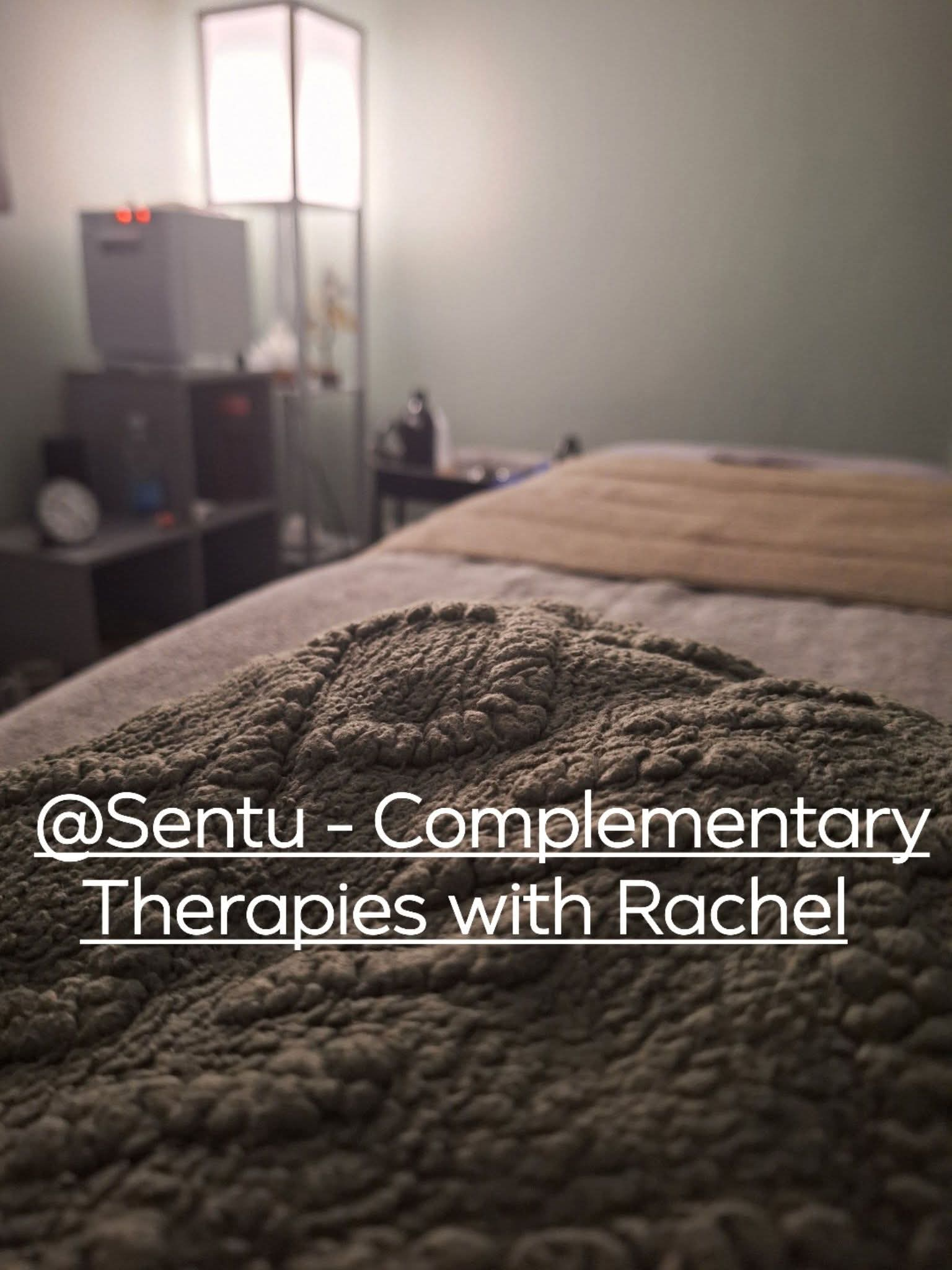
    Want to book a treatment with Rachel? Meet Rachel at Plymouth Wellbeing Centre.

  • Newly qualified therapist? Working from home, mobile or renting a room: how to choose

    Newly qualified therapist? Working from home, mobile or renting a room: how to choose

    If you’re a newly qualified therapist, whether that’s massage, reflexology, facials, nails, lashes or brows, one of the first big decisions is where you’ll actually work.

    The short answer

    There’s no single right answer, just the right one for you right now.

    • Working from home: no travel and your own set-up, but more to check (mortgage or landlord, insurance, business rates, planning, music and safety).
    • Working mobile: nothing to change at home, but more time in the car, more kit to carry and business-use car insurance.
    • Renting a room: a professional space without changing your home, but a regular cost to cover.

    Whichever you choose, get the right insurance, check your council’s licensing rules, and keep learning.

    Congratulations. Now what?

    You’ve passed. You’ve got the certificate. You’ve practised on every friend, relative and slightly reluctant partner you own.

    Now comes the big question: do clients come to you, or do you go to them?

    Here’s a practical, UK-focused checklist for each option. It isn’t legal advice, and rules change, so use it as a list of things to check with the right people.

    First, the things that apply whichever you choose

    Insurance

    Professional indemnity and public liability insurance are treated as essential for therapists.

    Check your insurer accepts your qualifications first. Insurers don’t all accept the same courses. Ask before you buy a policy and, ideally, before you sign up to a new course, so you know the certificate you’re paying for will be accepted.

    Then check the policy covers:

    • every treatment you plan to offer
    • where you’ll work (your home, clients’ homes, a treatment room, events)
    • your equipment, if it’s stolen from the car or damaged

    Do I need a licence to work as a therapist?

    It depends on the treatment and on your council, so this is the bit that catches people out.

    Massage, facials and similar treatments. As it stands, Plymouth doesn’t require a licence for massage, but rules can change, so always check. In London, many boroughs run a massage and special treatment licence. If you work across more than one council area (Plymouth, South Hams and Cornwall, for example), check each one.

    Microblading, semi-permanent make-up, tattooing, cosmetic piercing, electrolysis and acupuncture. These need registering with your council. In Plymouth, that means registering you AND the premises, so sort both before you see a paying client, and again if you move.

    Aesthetics (injectables, fillers, some lasers and peels). The government is planning a licensing scheme for non-surgical cosmetic treatments in England, with the highest-risk ones limited to qualified healthcare professionals. It isn’t in force yet, so keep an eye on it if aesthetics is part of your plan.

    The golden rule: check with your own council’s licensing team before you start. A quick email now is a lot cheaper than a problem later.

    Professional bodies

    Joining a professional body is optional. Some therapists find one useful for guidance, insurance deals, networking and someone to ask when they’re stuck. Have a look at a few and see which suits your treatments and your needs. Each sets its own entry requirements, so check they accept your qualification before you apply.

    CPD

    Your qualification is the start, not the finish line. Insurers and professional bodies may ask for evidence of continuing professional development (CPD), but it’s also good for you: new skills, fresh ideas and more confidence with your clients.

    Top tip: keep a CPD folder (paper or digital) and drop certificates and notes in as you go. Future you will be very grateful.

    Option 1: working from home

    The good bits

    • No lugging a couch or kit up three flights of stairs
    • Your room, your music, your towels, your temperature
    • No travel between clients, so more bookings in a day

    What to check first

    Mortgage or landlord. GOV.UK says you may need permission from your mortgage provider or landlord to run a business from home. Ask before you start, not after.

    Home insurance. GOV.UK warns that home insurance may not cover your business, including customers visiting. Tell your insurer, and make sure your business insurance covers clients on your premises.

    Business rates. You may have to pay business rates on the part of your home you use for your business, as well as Council Tax on the rest. It depends on whether the Valuation Office Agency gives that part of your home a rateable value. Your local council’s business rates team can tell you more.

    Planning. You may need planning permission if your home will no longer be mainly a private house, if there’ll be a marked rise in traffic or people calling, if the business involves anything unusual for a residential area, or if it disturbs the neighbours. A few clients a week is very different from a steady stream all day. If in doubt, ask your local planning team.

    Music. If you play music (radio, streaming or CDs) while clients are with you, you’ll usually need TheMusicLicence from PPL PRS. They don’t charge homeworkers working alone with no customers, but once clients can hear it, it counts as a business. Check with them before you press play.

    Parking and neighbours. Where will clients park? A friendly word with the neighbours goes a long way.

    Safety. You’ll be alone in your home with people you may not know. Have a buddy who knows who you’re seeing and when. Take new clients by referral or after a short phone chat. Keep your personal and business spaces separate where you can.

    Option 2: going mobile

    The good bits

    • Nothing to change about your home
    • Clients love the convenience (and not having to drive home all floppy and relaxed)
    • You can reach people who can’t easily travel

    What to check first

    Car insurance. Standard “social, domestic and pleasure” cover usually doesn’t include driving to clients. That’s normally business use. Ring your insurer and ask.

    Kit. A good portable couch or chair, covers, towels, products, a blanket or small heater, hand sanitiser, and a bag system you can pack in the dark. Think about your back. Lighter kit and a trolley are worth every penny.

    Travel time and pricing. This is where new mobile therapists undercharge. A one-hour treatment can take two hours of your day once you add setting up, packing down and driving. Price for your time, not just the treatment. Plenty of therapists add a travel charge beyond a set distance.

    Mileage. If you’re self-employed, you may be able to use HMRC’s simplified expenses for business mileage. For the 2026 to 2027 tax year it’s 55p a mile for the first 10,000 miles in a car (up from 45p), then 25p. Keep a mileage log from day one, and check with an accountant.

    Safety. You’re walking into places you don’t know. Let someone know where you are and when you’ll be done. If something feels off on the doorstep, it’s fine to make an excuse and leave.

    Option 3: renting a treatment room

    The good bits

    • A professional space without turning your spare room into a clinic
    • Clients don’t need to know where you live
    • Your kit stays put, and so does your back
    • Other therapists around for a chat, a referral or a second opinion

    What to check first

    Cost versus bookings. Work out how many treatments cover the rent before you commit. A half day or day a week is a gentle way to start while you build up regulars.

    What’s included? Couch, towels, laundry, heating, Wi-Fi, a sink? It all affects what you need to buy and carry.

    Insurance. Make sure your policy covers you working from someone else’s premises.

    Licences. If your treatment needs council registration, it may cover the premises as well as you, so check before you book a room.

    The agreement. Read it properly. Know your notice period and what happens if you need to cancel.

    At Plymouth Wellbeing Centre in Estover, near Derriford, therapists rent rooms by the week, the day or the half day. Have a look at our rooms.

    So which one?

    Ask yourself:

    • Do I have a suitable room at home, and am I allowed to use it?
    • Am I happy with clients knowing where I live?
    • Do I have a car, and do I mind spending my day in it?
    • Does my treatment need registering, and where?
    • Where do my likely clients live, and what do they want?

    Plenty of therapists mix and match: a rented room for regulars, mobile visits for people who can’t travel. You don’t have to pick forever. Pick for now, and review in six months.

    Thinking about training?

    Plymouth Holistic Training runs therapy and beauty courses in Plymouth, including accredited courses and VTCT qualifications, with plenty of hands-on practice. Check with your insurer that a course is accepted before you sign up. See our courses and dates.

    Frequently asked questions

    Do I need a licence to be a massage therapist in Plymouth?

    As it stands, no. Plymouth doesn’t currently require a licence for massage, but rules change, so check with the council’s licensing team. Other councils, including many London boroughs, do license massage.

    Do I need to register to do microblading?

    Yes. Microblading counts as semi-permanent skin colouring, so you need to register with your council. In Plymouth, that means registering you AND the premises.

    Do I need a music licence as a therapist?

    Usually, yes, if clients can hear the music. That includes the radio and streaming. Check with PPL PRS for your situation.

    Do I need planning permission to work from home?

    Not always. You may need it if your home stops being mainly a private house, there’s a marked rise in visitors, or the neighbours are disturbed. Check with your local planning team.


    Sources
  • Done Different: why I will never stop being a student

    Done Different: why I will never stop being a student

    I have a whole collection of therapy-related qualifications, ranging from Ofqual-regulated Level 3 and 4 Diplomas to shorter accredited qualifications. (Let’s not mention the yoga teaching and coaching qualifications. I am addicted to learning, what can I say?) I also hold a Level 3 Award in Education and Training, Level 3 Assessing and a Level 4 Internal Quality Assurance qualification. On paper, that should be enough to teach, assess and IQA.

    But lately I’ve found myself asking a bigger question.

    Is “good enough” REALLY good enough when you’re trying to create learning experiences for people who have spent their entire lives believing they can’t learn?

    For me, the answer is no.

    So I’m back at it again. I’m currently studying for a Professional Certificate in Inclusive Education and Training while I decide which Level 6 qualification will best support my longer-term plans.

    Not because anyone has told me I need to.
    Not because a regulator requires it.
    But because I care deeply about getting this right.

    This feels personal

    I didn’t have a particularly positive experience of traditional education. Primary school was fab. Proper brainbox me. It all went downhill when I passed my 11+ and went to a grammar school. Now don’t get me wrong, I LOVED my school, but for all the wrong reasons. I had great friends, (some) great teachers and an all-round jolly good time. However, even though we were constantly being told we were in the “top 5%”, I came away with 3 GCSEs.

    I spent years believing I wasn’t very academic. Years thinking other people were clever and I wasn’t.

    What I’ve come to realise is that none of that is true. I was failing to thrive in the environment I was placed in, and so were lots of others like me. The teaching methods didn’t suit us. The environment didn’t suit us. The expectations didn’t suit us. And personally, I have never been a fan of “rules”.

    And instead of questioning the system, many of us questioned ourselves.

    Since starting Plymouth Holistic Training, I’ve met countless learners with similar stories:

    • People who left school believing they were stupid
    • People who were told they weren’t academic
    • People who dreaded classrooms
    • People with ADHD, dyslexia, autism, anxiety, trauma, confidence issues, health conditions or simply different ways of processing information

    Then they come onto one of our courses and suddenly realise they can learn. Not because they’re different people, but because the environment is different. I have had new learners walk into my training room and burst into tears of relief, because they had been so stressed about walking back into a “classroom”.

    Equality versus equity

    One of the first ideas I’ve explored on this new learning journey is the difference between equality and equity.

    Honestly? I already knew it, but had never REALLY thought about it. And actually, it’s blown my mind a bit.

    I’ve always believed in treating everyone equally. That sounds fair, doesn’t it? But here’s the problem. If everybody starts from a different place, giving everybody exactly the same thing doesn’t necessarily create fairness.

    Imagine giving every learner the same resource. That sounds equal, doesn’t it? But what if one learner has dyslexia? What if another has a visual impairment? What if someone struggles with processing large amounts of text? What if English isn’t their first language? What if someone has ADHD and finds pages of black-and-white text overwhelming?

    They’re all being treated equally, but they’re not all able to access the learning equally.

    That’s where equity comes in. Equity isn’t about giving everybody the same thing. It’s about giving everybody what they need: different support, different resources, different approaches, different adjustments. The goal isn’t identical treatment. The goal is a comparable opportunity to succeed.

    That distinction has really got me thinking.

    What this means for Plymouth Holistic Training

    If I’m honest, I’ve already been doing some of this for years. (I also have to remember that I am only one person, and I won’t be able to make changes overnight.)

    I’ve always tried to be flexible. I’ve always tried to meet learners where they are. I absolutely do my best to create an environment where people feel welcome rather than judged.

    But good intentions and trying aren’t enough. I want to understand the theory, the research and the legal frameworks. I want to understand what genuinely inclusive practice looks like, beyond being kind and accommodating.

    I don’t want to provide a tick in the box. I want to provide a genuinely brilliant service, consistently.

    The bigger vision

    This learning isn’t just about qualifications. It’s about a vision I’ve had for a long time, and one that’s slowly becoming clearer. A vision of training that’s… Done Different.

    • Training that recognises there isn’t one “right” way to learn
    • Training that understands some people need movement, some need visuals, some need discussion and some need quiet reflection
    • Training that values practical intelligence as much as academic ability
    • Training that builds confidence instead of destroying it
    • Training where learners don’t spend the day worrying they’ll look stupid
    • Training where people feel safe enough to ask questions
    • Training where differences aren’t accommodated as an afterthought, but considered from the start

    I don’t have all the answers yet. In fact, the more I learn, the more I realise how much I still have to learn. But that’s exactly why I’m doing this.

    Because if I can help even one learner avoid spending years believing they’re incapable, when the real issue was simply that nobody taught them in a way that worked for them, then every assignment, every qualification and every late-night study session will be worth it.

    This is the start of a journey, and I’m excited to see where it leads.

    Karen
    Plymouth Holistic Training: Flexible Inclusive Learning 馃А


    Follow the journey: Done Different is now up and running. Visit Done Different to find out more and join the mailing list.

  • Sunshine, success and your next step: train for autumn

    Hasn’t the weather been glorious lately? With Plymouth basking in sunshine and everyone soaking up the long-awaited summer vibes, it’s easy to feel that little extra spring in your step. And while we’re all enjoying the brighter days, barbecues and beach strolls, it’s also a great time to ask yourself: what’s next?

    Whether you’re thinking about a career change, returning to work, or simply looking to add another string to your professional bow, summer is the ideal time to take that next step. Why? Because investing in yourself now means you’ll be ready to shine when the colder months roll in, and let’s be honest, winter is when people really start seeking out those soothing, healing treatments.

    At Plymouth Holistic Training, based at Plymouth Wellbeing Centre, we offer a wide range of accredited and VTCT training courses designed to help you launch a new career or deepen your existing practice. Whether you’re brand new to the wellness world or a seasoned therapist ready to expand your toolkit, there’s something here for you.

    Our courses combine professional standards with a warm, supportive learning environment, just like the centre itself.

    So while the sun’s out and the energy’s high, why not ride the wave of motivation and get booked in? Your future clients, and your future self, will thank you.

    馃憠 Explore our training courses and take your next step with confidence.

  • Five benefits of a VTCT complementary therapies qualification

    Plymouth Holistic Training runs VTCT qualifications in complementary therapies at Plymouth Wellbeing Centre. VTCT (the Vocational Training Charitable Trust) is a specialist awarding body, and a VTCT qualification in complementary therapies offers several benefits.

    1. Knowledge and skills

    The course gives you thorough training in therapies such as aromatherapy, reflexology and massage, so you build a solid foundation of knowledge and practical skills.

    2. A recognised professional qualification

    Completing a VTCT course leads to a nationally recognised qualification, which can boost your credibility and employability in the field.

    3. Career opportunities

    Demand for complementary therapies keeps growing, and a qualification can open up a range of options, from spas, wellness centres and hospitals to cruise ships or starting your own practice.

    4. A holistic approach

    Complementary therapies consider the mind, body and spirit together. Learning them gives you real insight into holistic care and a more rounded approach to health and wellness.

    5. Personal development

    Studying complementary therapies supports your own wellbeing too. You’ll learn relaxation techniques, stress management and self-care practices that benefit you as well as your clients.

    Whatever you choose, always research a course fully before you sign up, to make sure it’s right for you. You can see all our VTCT qualifications and prices on our training page.